When restoring a historic kitchen, every design decision matters. Original woodwork, period-appropriate finishes, and architectural details all contribute to preserving the home’s authenticity. Yet, functionality remains essential—especially for storage. That’s where thoughtfully designed kitchen cupboards come into play, bridging the gap between historical integrity and modern efficiency.
Analyzing the Role of Kitchen Cupboards in Historical Restorations
In heritage homes, kitchen cupboards often serve as both a functional necessity and a visual anchor. They can set the tone for the entire space, influencing how the restoration is perceived. The challenge lies in designing or selecting cupboards that are true to the period without feeling outdated or cluttered.
Historical Accuracy vs. Modern Minimalism
Historical Accuracy:
Traditional cupboards from the late 19th and early 20th centuries often featured solid wood construction, inset doors, and detailed molding. While beautiful, these designs sometimes lacked the space efficiency and ergonomic considerations of modern cabinetry.
Modern Minimalism:
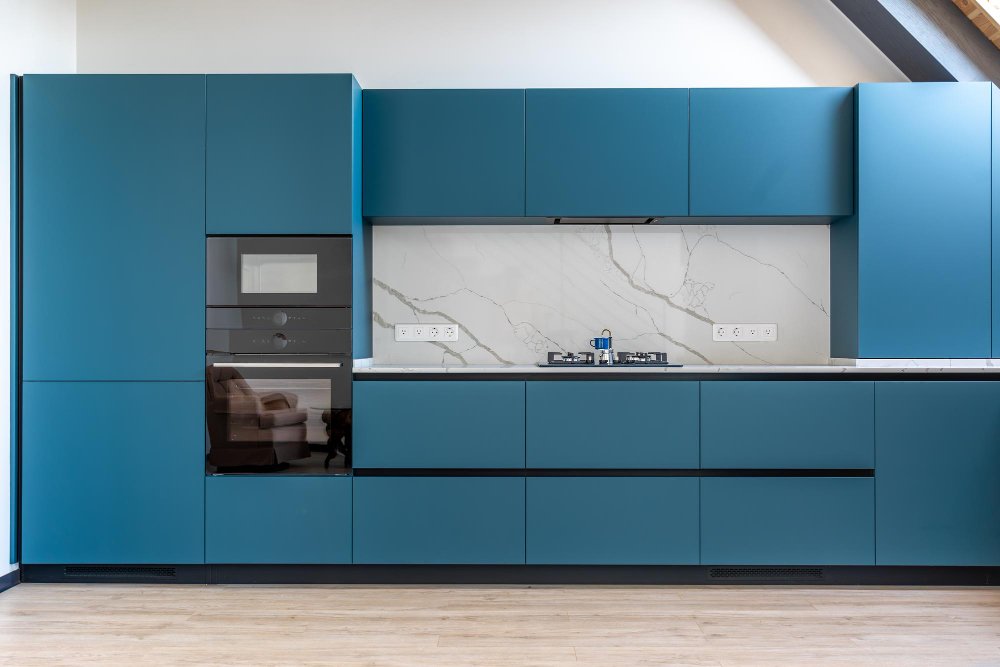
A minimalist approach focuses on clean lines, simplified hardware, and uniform finishes. This style reduces visual noise, creating a calm, cohesive backdrop that complements historic architectural details rather than competing with them.
The key is to merge these philosophies—honoring period proportions and materials while streamlining visual elements for a more contemporary feel.
Material Considerations
- Solid Wood – Ideal for authenticity; can be painted or stained to match the home’s era.
- Plywood with Veneer – Provides stability and a smooth finish while maintaining a classic look.
- Reclaimed Timber – Adds patina and texture, directly tying the cupboards to the home’s historic character.
Color and Finish
A minimalist palette—think soft whites, muted grays, or deep, rich tones—works well in historic spaces. Avoid overly glossy finishes; instead, opt for satin or matte, which better mimics the subtle sheen of aged wood.
For example, a row of white inset kitchen cupboards with simple brass knobs can feel period-appropriate while maintaining a fresh, uncluttered aesthetic.
Functional Upgrades Within a Historic Framework
- Custom Inserts for utensils and cookware keep interiors organized.
- Soft-Close Hinges offer modern convenience without altering external appearance.
- Integrated Lighting improves usability while remaining hidden from view.
Case Study: A 1920s Colonial Revival
In a recent restoration, the existing cupboards were beyond repair. The solution was to recreate them in solid maple, matching the original dimensions and panel profiles. By eliminating ornate corbels and excessive trim, the final design honored the original craftsmanship while embracing the simplicity of modern minimalism.
The result was a kitchen that felt authentic to the home’s history but functioned effortlessly for contemporary living.
Your Takeaway:
Restoring kitchen cupboards in a historic home doesn’t mean replicating every detail exactly as it was. With careful material selection, a restrained color palette, and thoughtful integration of modern features, you can create storage that is both historically respectful and beautifully simple.