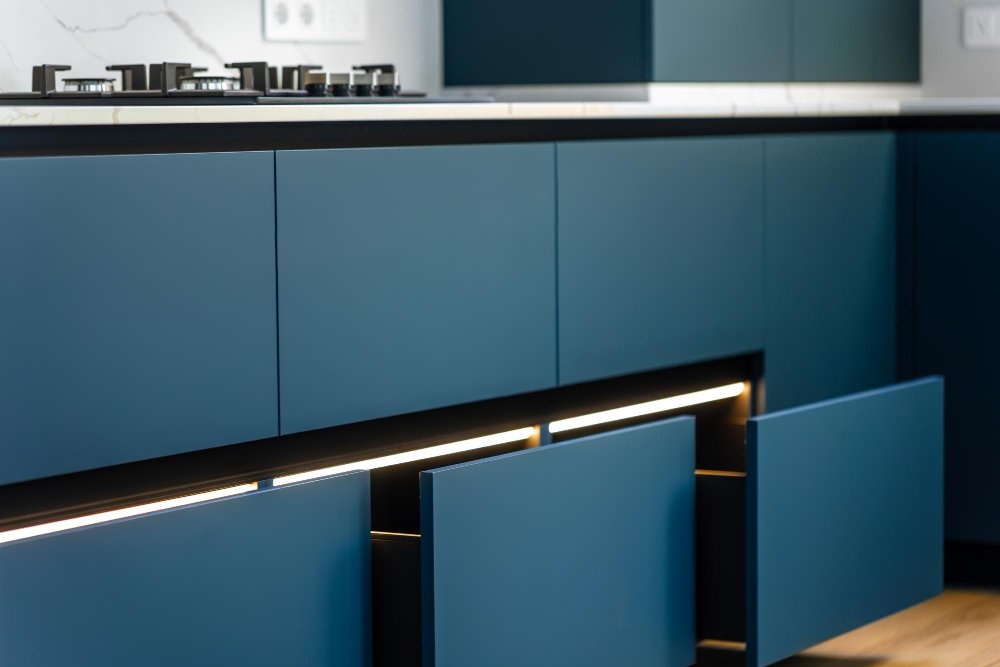
When you step into a historic kitchen, there’s a certain magic in the air—ornate woodwork, tall windows, and details that whisper stories from a century ago. But even the most charming heritage homes need functional updates, especially in spaces that see daily use. For one family in the middle of a full-scale restoration, the decision to invest in quartz countertops was both an emotional and practical choice.
The Story Behind the Upgrade
The Wilkins family purchased their 1890s Victorian with the dream of preserving its original character while making it livable for modern life. The kitchen, though brimming with charm, had outdated surfaces that were beyond repair—scratched, stained, and uneven.
As they planned the renovation, they faced the common restoration dilemma: how to respect the home’s history while integrating materials that could handle everyday cooking, cleaning, and entertaining. That’s where quartz came into the conversation.
Understanding the Cost of Quartz Countertops
While quartz isn’t the least expensive option, it delivers a rare blend of durability, beauty, and low maintenance that makes it worth consideration—especially for homes that need surfaces to last for decades.
Average Price Range (2025 Estimates):
- Material Costs: $60–$120 per square foot
- Installation Costs: $15–$25 per square foot
- Edge Profiles & Custom Cuts: $200–$500 depending on complexity
For a typical historic home kitchen of 50 square feet of countertop space, the cost of quartz countertops could range from $3,750 to $7,250, depending on the grade of quartz and design complexity.
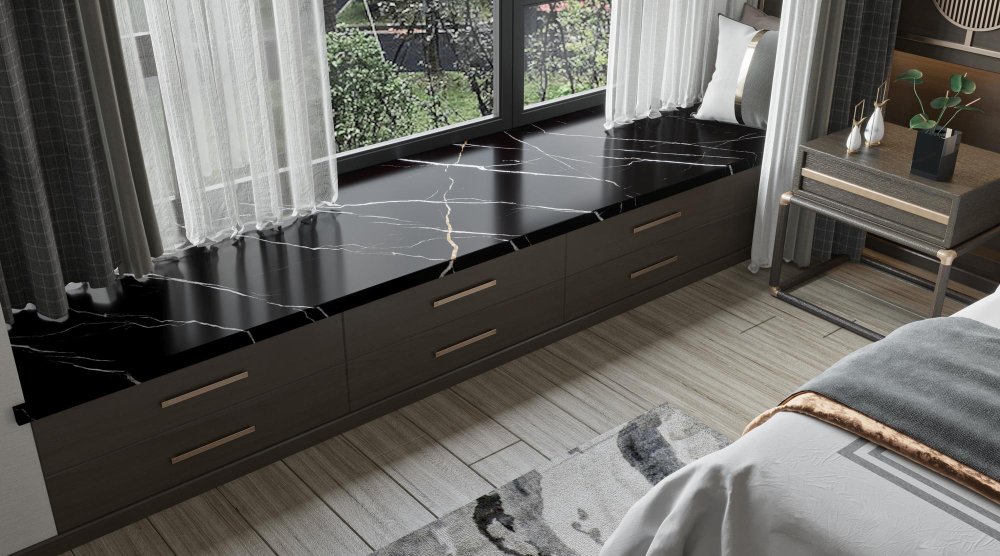
Why Quartz Works for Historical Restorations
- Timeless Aesthetic – Quartz can mimic natural stone like marble or soapstone, making it easy to match the look of period kitchens without the upkeep.
- Durability – Unlike softer stones, quartz resists chipping, staining, and scratching.
- Color Consistency – Perfect for matching cabinetry and millwork in older homes where visual cohesion matters.
Balancing Cost and Value
Yes, you could choose laminate for a fraction of the price, or marble for a more “authentic” period feel—but both come with compromises. Laminate lacks the long-term durability, and marble demands regular sealing and is prone to etching from acidic foods. Quartz, by contrast, offers the best of both worlds: the look of stone with minimal upkeep.
Value Over Time: Homeowners who install quartz during restoration projects often find that it enhances resale value, especially for buyers seeking a blend of historic charm and modern convenience.
The Wilkins’ Finished Kitchen
The Wilkins family chose a soft white quartz with delicate gray veining—a subtle nod to the marble surfaces common in late 19th-century kitchens. Against their restored oak cabinetry, the quartz looked like it had always been there, seamlessly blending past and present.
They admit the price initially felt steep, but after hosting their first family gathering in the space, they knew they’d made the right decision.
Your Takeaway:
If you’re tackling a historical restoration, the cost of quartz countertops is an investment in both beauty and practicality. With careful selection, quartz can respect your home’s history while giving you a surface that will stand up to modern living for decades to come.