“Great craftsmanship always begins with understanding.”The finest kitchens rarely announce themselves through extravagance. Instead, they reveal their quality through spaces that feel intuitive, welcoming, and timeless from the very first step inside.
✦ ✦ ✦
Chapter One: Seeing Beyond the Existing Kitchen
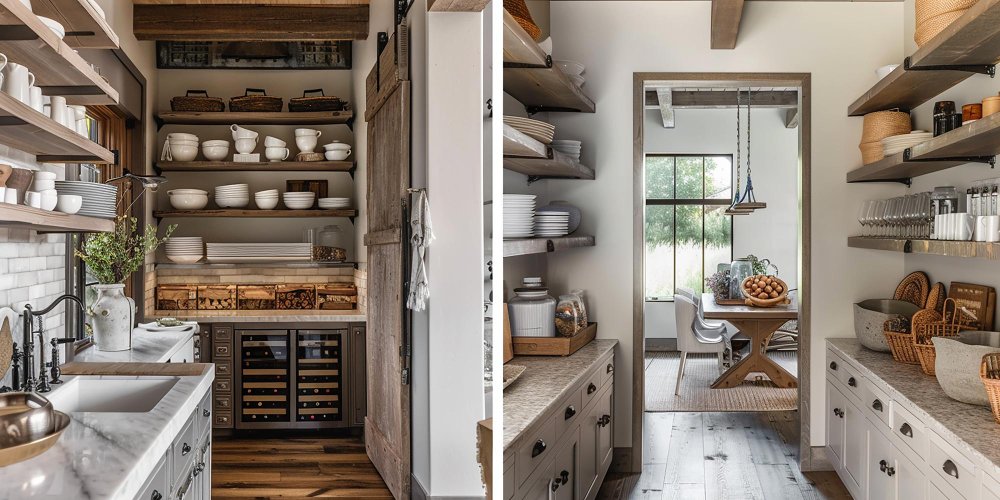
The first stage of every meaningful renovation requires an unusual kind of observation. Before choosing colors or browsing design galleries, homeowners must learn to look beyond what currently exists and begin recognizing what the kitchen could become. An older kitchen often tells a story through small inconveniences. Cabinets become overcrowded because they were never designed for modern cookware. Walkways narrow whenever more than one person prepares a meal. Natural light struggles to reach the areas where food preparation actually happens. These challenges rarely appear dramatic on their own, yet together they shape the daily experience of the entire household. What seems like an outdated kitchen is often a collection of opportunities waiting to be recognized rather than a list of problems waiting to be repaired. This shift in perspective changes every design decision that follows. Instead of asking which cabinet color is currently fashionable, homeowners begin asking far more meaningful questions. Where does the family naturally gather? Which pathways feel crowded? Which tasks require unnecessary movement? What moments deserve more comfort, more light, or more space? These questions reveal something essential: successful kitchens are designed around people rather than products. Layout becomes the quiet architecture supporting every daily routine. The relationship between the refrigerator, sink, and cooking surface influences how effortlessly meals are prepared. Clear circulation paths encourage family members to work together instead of working around one another. Islands evolve beyond additional countertop space, becoming places where conversations unfold, homework is completed, guests gather, and ordinary evenings become lasting memories. Storage follows the same philosophy. It is no longer measured simply by the number of cabinets installed but by how intelligently those cabinets serve the household. Deep drawers welcome heavy cookware without awkward lifting. Pull-out pantry systems quietly organize ingredients. Vertical dividers protect baking trays while hidden recycling centers simplify everyday tasks that previously interrupted the flow of the room. Natural light deserves equal consideration because it shapes how every material is ultimately experienced. Morning sunlight warming a quartz countertop, afternoon light reflecting gently across painted cabinetry, and evening illumination layered through carefully positioned fixtures each contribute to an atmosphere that changes beautifully throughout the day. Light has an extraordinary ability to reveal craftsmanship. It softens textures, emphasizes natural materials, and quietly transforms an ordinary kitchen into a place of remarkable warmth. Perhaps the greatest realization during this chapter of the remodeling journey is that spaciousness is not always created by adding square footage. More often, it is created through thoughtful organization, balanced proportions, and a floor plan that removes unnecessary obstacles from everyday living. A carefully designed kitchen can feel significantly larger simply because every element exists precisely where it belongs.
✦ ✦ ✦
Chapter Two: The Language of Materials and Craftsmanship
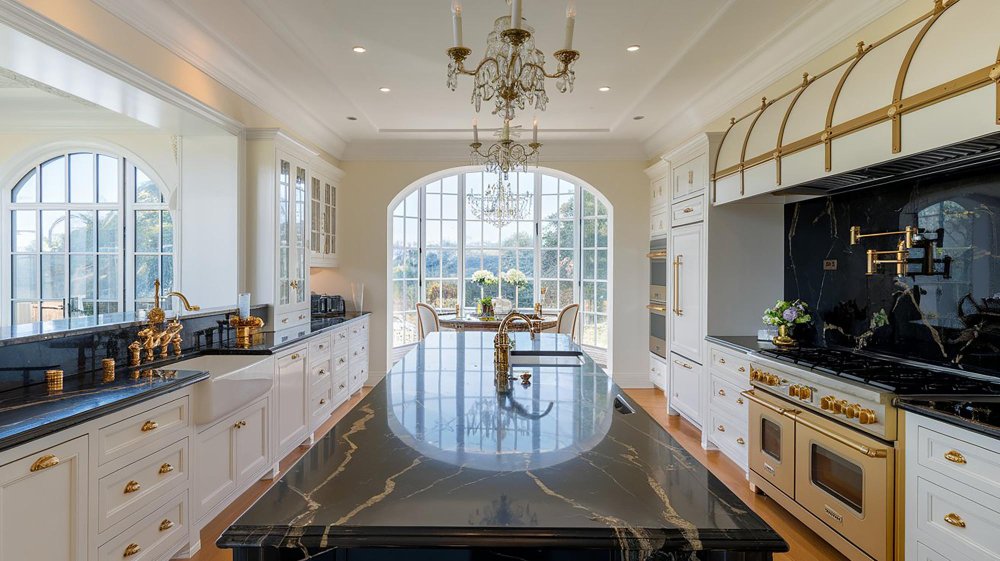
Once the foundation of thoughtful planning has been established, attention naturally turns toward the materials that will give the kitchen both its personality and its permanence. Every surface now carries greater meaning because it is no longer chosen in isolation. Each material becomes part of a larger conversation about durability, comfort, beauty, and everyday life. Cabinetry often speaks first. More than simple storage, it establishes the visual rhythm of the room while quietly defining how the kitchen functions from sunrise to evening. Whether crafted from richly grained hardwood or finished in timeless painted tones, well-designed cabinetry becomes the architectural framework upon which every remaining decision gracefully depends. :::writing{} Countertops soon continue that conversation. They are touched countless times each day, quietly supporting everything from hurried weekday breakfasts to elaborate holiday meals. Quartz offers remarkable durability with understated elegance, natural stone introduces distinctive character through unique veining, and carefully crafted surfaces become visual anchors that unite the entire composition. Flooring provides another subtle expression of permanence. Wide-plank hardwood introduces warmth that matures gracefully with time, while porcelain tile and premium engineered wood balance resilience with refined aesthetics. These materials do more than connect one room to another—they create a sense of continuity that allows the kitchen to feel naturally integrated into the rest of the home.“The most memorable kitchens are built around the people who use them, not the fashions that surround them.”This is where timeless design quietly separates itself from temporary style. Trends often ask to be noticed. Lasting craftsmanship simply continues serving the family year after year. Lighting, too, becomes part of this language. Morning daylight enters through carefully positioned windows, revealing the natural grain of cabinetry and the subtle texture of stone. As evening arrives, recessed fixtures establish balanced illumination while pendant lights gently define gathering spaces without overwhelming them. Under-cabinet lighting quietly supports food preparation, proving that practical decisions can also be beautiful ones. Appliances deserve similar consideration. Rather than dominating the room, they integrate naturally into the architecture, supporting daily routines without distracting from the overall composition. Their greatest success lies not in attracting attention but in making every task feel easier, smoother, and more intuitive. When every material has been chosen with intention, the kitchen no longer feels like a collection of products. It begins to feel like a carefully composed environment where each element quietly strengthens the next.
✦ ✦ ✦