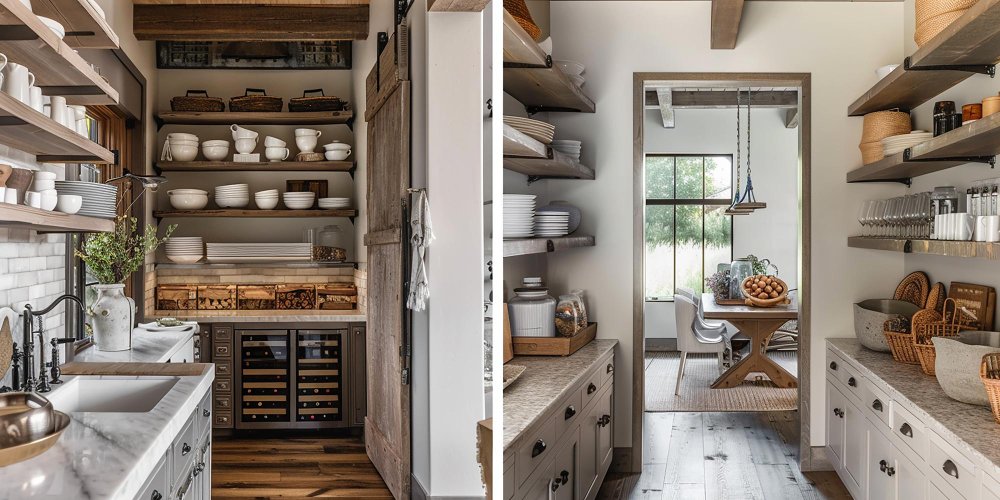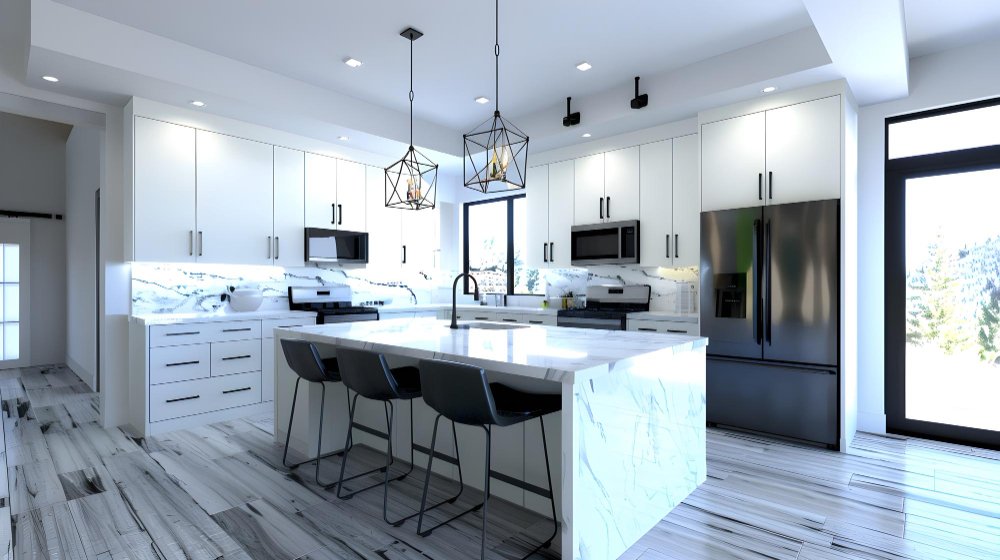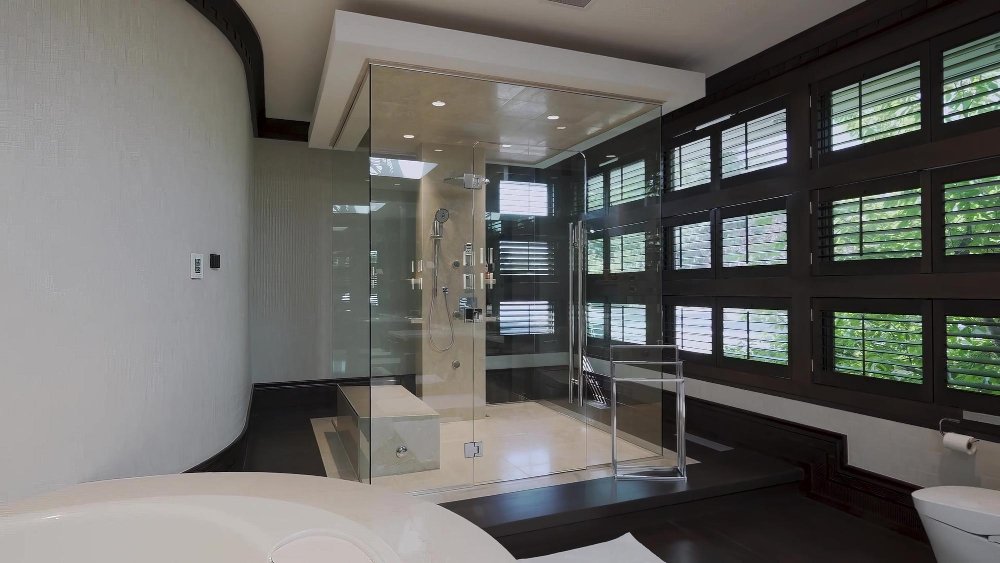
The Problem: Poor Layout and Limited Functionality
PROBLEM
A poorly planned bathroom layout can make even a spacious room feel cramped, cluttered, and inefficient.
One of the biggest challenges in bathroom design is creating a layout that supports everyday movement. Homeowners often discover that there isn’t enough space between fixtures, doors interfere with cabinets, or storage is difficult to access. These issues may seem minor individually, but together they affect how comfortable the room feels every day.
Limited countertop space is another common frustration. Without adequate surfaces for toiletries and personal items, clutter quickly accumulates, making even a newly remodeled bathroom appear disorganized.
Storage also deserves careful attention. A bathroom may include beautiful cabinetry, but if drawers are too shallow or cabinets don’t match the family’s needs, towels, cleaning supplies, and everyday essentials often end up stored elsewhere in the home.
SOLUTION
Design the bathroom around everyday routines. Prioritize comfortable circulation, incorporate sufficient storage, and maintain adequate clearance between fixtures to improve both functionality and comfort.
Before / After Example
Before: Limited storage, narrow walkways, crowded vanity area, and poor organization.
After: Custom cabinetry, improved fixture placement, wider circulation paths, and significantly better everyday functionality.
Thoughtful space planning often creates a bathroom that feels larger without increasing its actual size. Simply repositioning fixtures or incorporating custom storage can dramatically improve the overall experience.
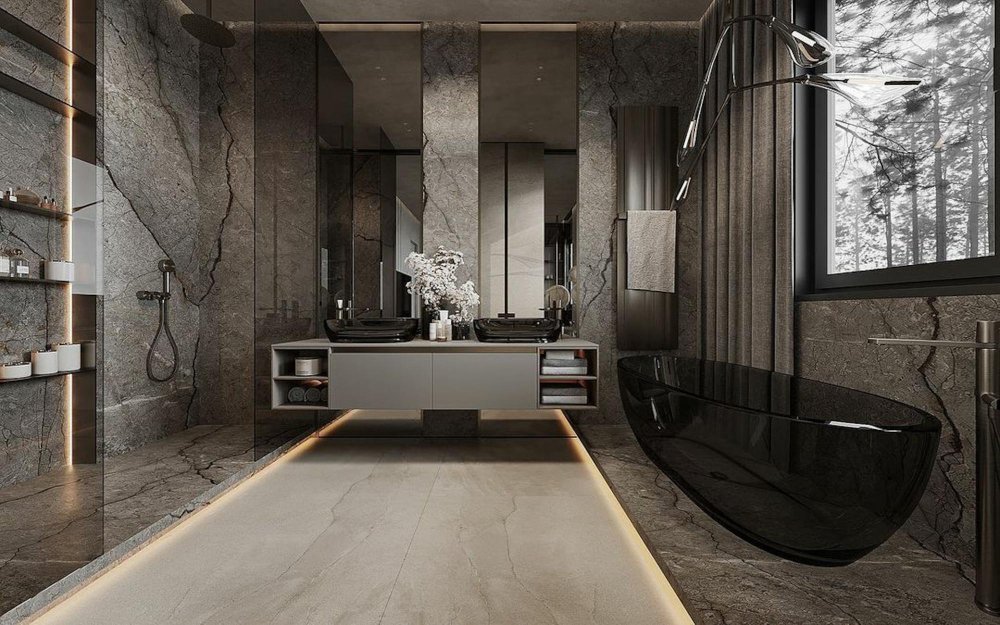
Why Bathroom Design Problems Happen
Many bathroom remodeling challenges begin long before construction starts. In many cases, homeowners understandably focus on selecting attractive finishes first, assuming the layout can be adjusted later. Unfortunately, this approach often leads to compromises that are difficult—or expensive—to correct once installation begins. Planning for appearance instead of function is one of the most common reasons bathrooms fail to perform well. Beautiful tile and premium fixtures cannot compensate for poor circulation, inconvenient storage, or awkward fixture placement. Ventilation is another area that’s frequently underestimated. Bathrooms naturally produce significant moisture, and without adequate exhaust systems, humidity can remain trapped inside the room. Over time, excess moisture may contribute to peeling paint, damaged finishes, unpleasant odors, and mold growth. Lighting presents another challenge. Many bathrooms rely almost entirely on a single ceiling fixture, leaving shadows around mirrors and vanities where precise lighting is needed most. Proper bathroom design instead combines ambient, task, and accent lighting to improve both functionality and atmosphere. Storage limitations also tend to develop gradually. During the planning stage, homeowners often estimate their current storage needs but overlook how those needs may change over time. As personal care products, towels, and household supplies accumulate, insufficient cabinetry quickly becomes noticeable. Oversized fixtures can create additional problems, especially in smaller bathrooms. A large vanity, freestanding tub, or expansive shower may look impressive in a showroom but leave inadequate walking space once installed in a more compact room. Finally, moisture management affects nearly every aspect of long-term bathroom performance. Waterproofing beneath tile, proper shower construction, quality sealants, and moisture-resistant materials all work together to protect the finished space from hidden water damage that may not become visible until years later.Common Mistakes Homeowners Make
Once planning begins, several avoidable mistakes appear repeatedly across bathroom remodeling projects. Fortunately, recognizing these challenges early allows homeowners to make better decisions before construction starts. Perhaps the most common mistake is allowing current design trends to outweigh long-term functionality. While fashionable finishes can certainly inspire a remodel, practical features such as storage, lighting, ventilation, and durable materials continue providing value long after trends have changed. :::writing{} Another frequent mistake is underestimating how much storage a bathroom truly needs. It’s easy to focus on selecting an attractive vanity while forgetting about towel storage, cleaning supplies, extra toiletries, and electrical accessories. Without enough organized storage, countertops quickly become cluttered and the room loses much of its intended functionality. Material selection can also affect long-term performance. Choosing products that aren’t designed for high-moisture environments may lead to premature wear, staining, swelling, or difficult maintenance. Bathrooms require finishes that combine beauty with durability. Finally, some homeowners attempt to design an entire bathroom without professional guidance. While inspiration photos provide valuable ideas, every room has unique structural limitations, plumbing locations, and building-code requirements that influence the final design.PROBLEM
Beautiful finishes cannot compensate for poor planning. A bathroom that lacks proper storage, lighting, ventilation, or functional spacing will rarely perform well over the long term.
The Solution: Designing a Bathroom That Works Every Day
Creating an exceptional bathroom begins by solving everyday challenges before selecting decorative finishes. When functionality leads the design process, beauty naturally follows. Start with an efficient layout that supports the way the space will actually be used. Position the vanity, shower, toilet, and storage areas to create comfortable circulation while minimizing unnecessary movement. Even modest layout adjustments can dramatically improve the room’s usability. Layered lighting should be another priority. Rather than relying on a single overhead fixture, combine ambient lighting for overall illumination, task lighting around mirrors for grooming, and accent lighting to add warmth and visual depth. This approach creates a bathroom that feels inviting while improving visibility throughout the day. Ventilation is equally important. A properly sized exhaust fan removes excess humidity, helping protect cabinetry, paint, tile, and other finishes from moisture-related damage. Good airflow also contributes to a healthier indoor environment by reducing the risk of mold and mildew. Storage solutions should be tailored to the household rather than treated as an afterthought. Deep drawers, built-in shelving, recessed medicine cabinets, linen storage, and custom vanity organizers keep frequently used items accessible while maintaining a clean, uncluttered appearance. Durable materials further enhance long-term performance. Moisture-resistant cabinetry, quality countertops, porcelain tile, quartz surfaces, and waterproof flooring help the bathroom withstand years of daily use while remaining attractive and easy to maintain. Accessibility can also improve long-term functionality. Curbless showers, wider walkways, comfort-height vanities, and strategically placed grab bars make the bathroom safer and more adaptable without sacrificing style.SOLUTION
Combine thoughtful space planning, layered lighting, effective ventilation, durable materials, and customized storage to create a bathroom that remains beautiful, functional, and comfortable for many years.
Before / After Example
Before: Dim lighting, limited storage, persistent humidity, and an inefficient layout that made everyday routines frustrating.
After: Bright layered lighting, organized custom cabinetry, improved ventilation, moisture-resistant materials, and a layout designed for effortless daily use.