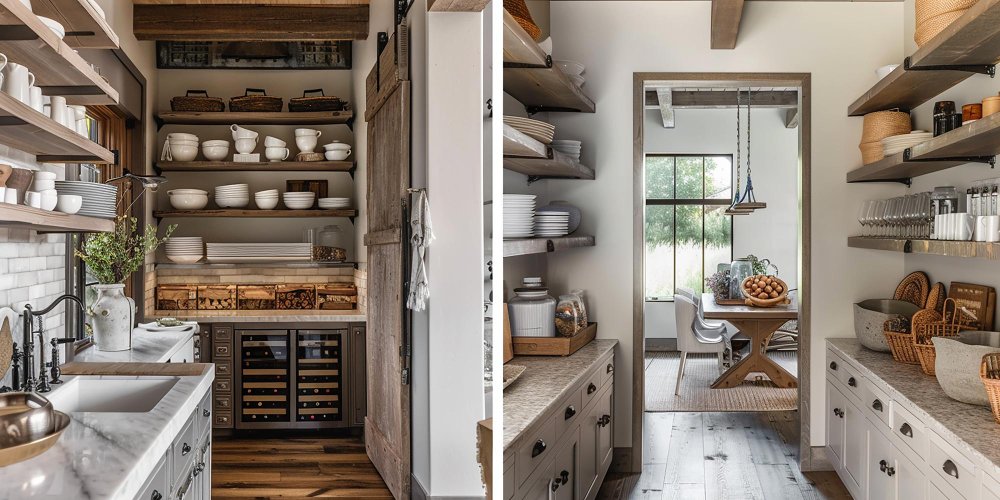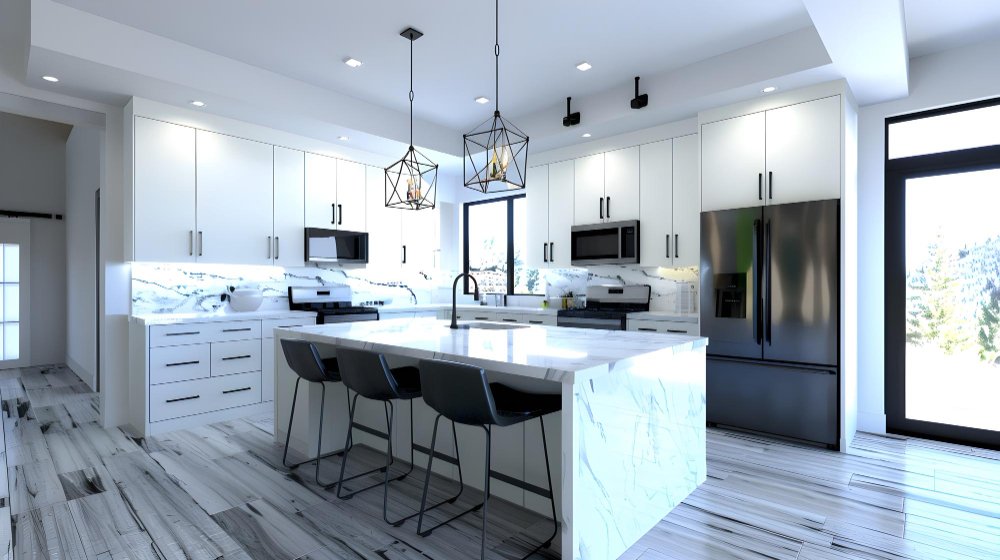
Step 1: Choose the Right Backsplash Material
Your first decision is selecting a material that complements your kitchen while standing up to everyday use. Popular backsplash options include:- Ceramic tile – affordable, versatile, and easy to maintain.
- Porcelain tile – highly durable and resistant to moisture.
- Natural stone – elegant but requires periodic sealing.
- Glass tile – reflects light and creates a modern appearance.
- Large-format porcelain slabs – minimal grout lines with a seamless look.
- ✓ Match the countertop and cabinet colors.
- ✓ Consider cleaning and maintenance requirements.
- ✓ Select moisture-resistant materials.
- ✓ Think about long-term design rather than short-lived trends.
Tip: Large-format tiles reduce grout lines, making cleaning easier while creating a sleek, contemporary appearance.
Step 2: Plan the Layout Before Installation
Even premium tile can look uneven without careful planning. Before installation begins, determine how the backsplash will align with cabinets, outlets, windows, and countertops. Questions to consider:- Will the backsplash stop beneath upper cabinets or extend to the ceiling?
- Should the tile pattern be stacked, offset, or herringbone?
- How will cuts around electrical outlets be handled?
- Will grout contrast with the tile or blend into it?
- ✓ Measure the entire backsplash area accurately.
- ✓ Dry-lay several tiles before installation.
- ✓ Confirm outlet and switch locations.
- ✓ Purchase 10–15% extra tile for cuts and future repairs.
⚠ Warning
Never order tile using rough estimates. Accurate measurements help prevent shortages and noticeable differences between production batches.
Step 3: Focus on Professional Installation and Finishing
The final appearance depends just as much on installation quality as on the tile itself. Proper surface preparation, adhesive selection, spacing, and grout application all contribute to a backsplash that remains attractive for years. Professional kitchen wall tile installationtypically includes:- Preparing and leveling the wall surface.
- Applying the correct adhesive.
- Installing tiles with consistent spacing.
- Grouting and sealing where required.
- Finishing edges with trim or polished tile profiles.
- ✓ Inspect tile alignment.
- ✓ Verify even grout joints.
- ✓ Clean excess grout immediately.
- ✓ Allow recommended curing time before heavy kitchen use.
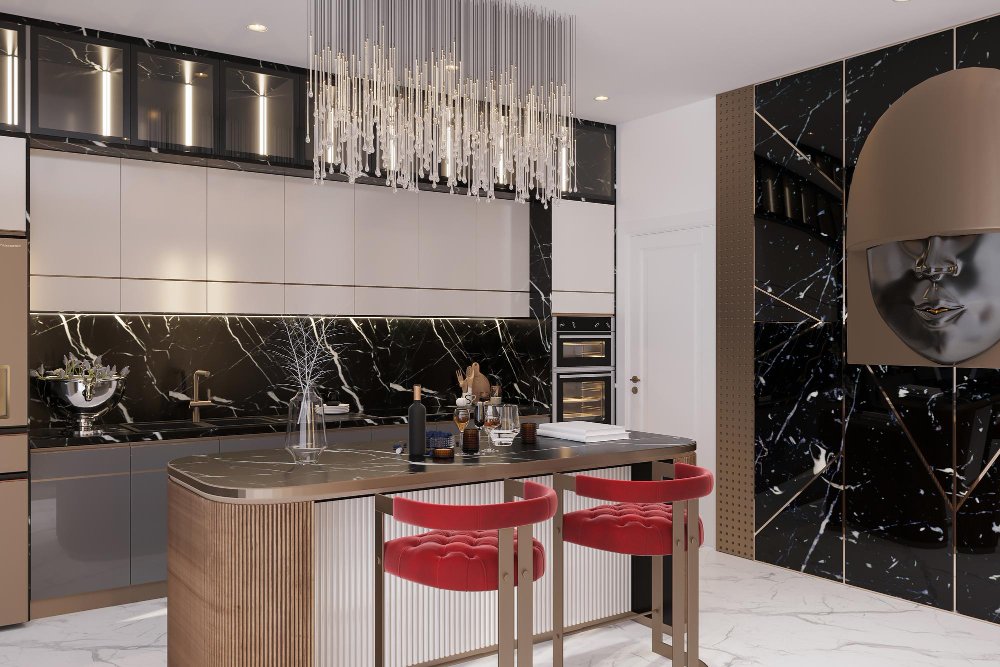
Tip: Pair a simple backsplash with bold countertops—or choose a statement backsplash if your cabinets and countertops have a more neutral design.